

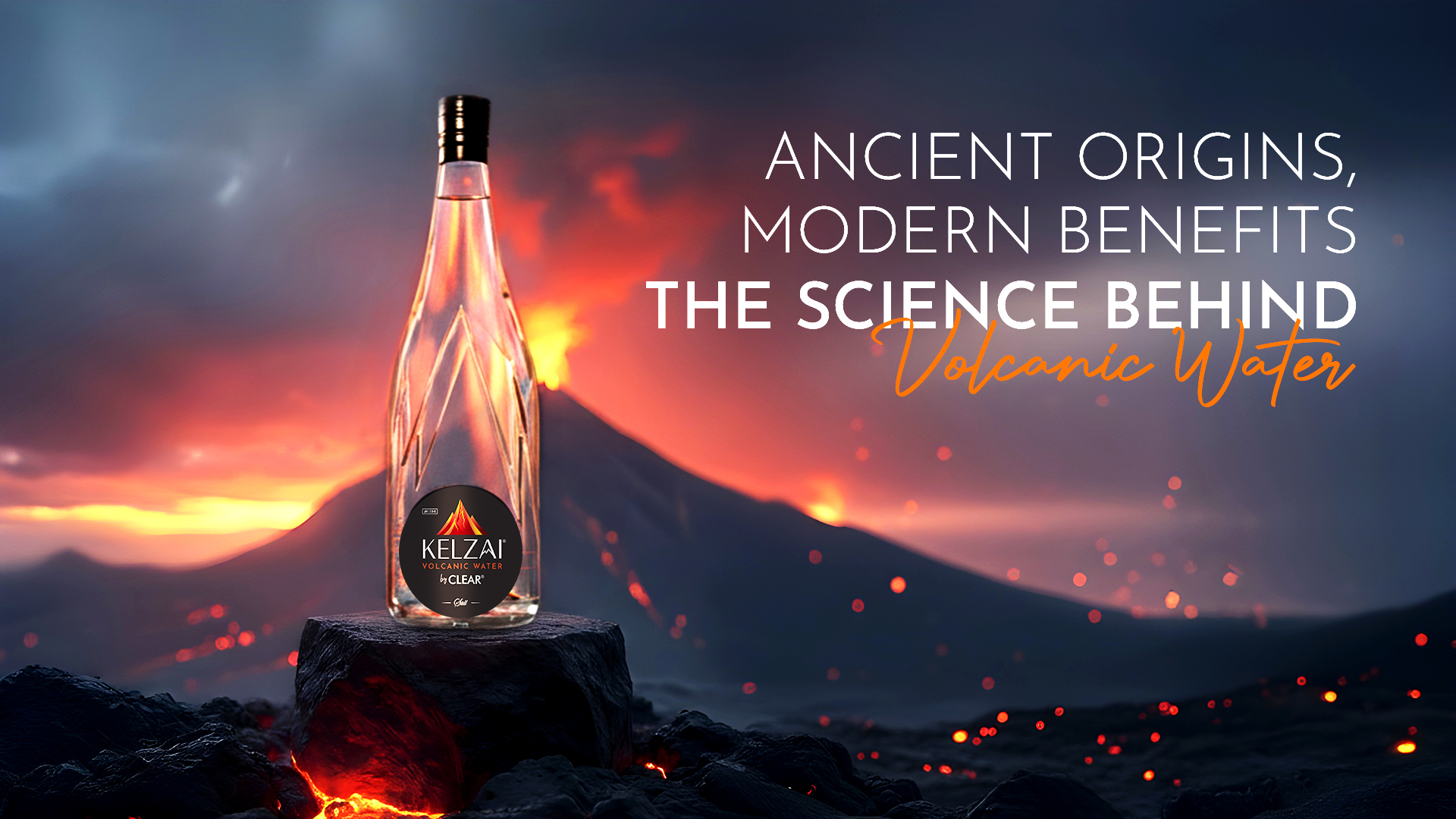
When it comes to drinking water, purity alone no longer defines quality. What truly matters is the composition that the water carries within it. Volcanic water stands apart because it’s shaped by geological forces over thousands of years. It’s not processed to be better; it’s born better.
Let’s explore the actual science that gives Naturally Alkaline Volcanic Water its distinct health and sensory advantages and why it’s increasingly sought after by wellness and hospitality professionals today.
1. The Geology That Creates Volcanic Water
Volcanic water begins its journey deep underground. Rainfall percolates through porous volcanic rock, where it’s filtered naturally through layers of basalt and granite. During this slow process, the water interacts with the minerals embedded in the rock, including magnesium, calcium, potassium, and silica.
These rocks are alkaline by nature, which means they gradually neutralise acidity in the water while infusing it with trace elements. Over time, the aquifer stabilises into a self-contained reservoir protected from surface pollutants and rich in natural electrolytes.
The result: volcanic water is both mineralised and alkaline from its source, not artificially enhanced through ionisation or additives.
2. The Science of Natural Alkalinity
Water’s pH determines how it interacts with the human body. Most purified or reverse osmosis (RO) waters are neutral or slightly acidic (pH 6.5–7). Volcanic water typically registers around pH 8, due to its contact with naturally alkaline rock.
This subtle difference has measurable physiological effects:
- Hydration Efficiency: Studies suggest that alkaline mineral water is absorbed more efficiently because the body doesn’t have to expend energy balancing its pH.
- Digestive Support: A mildly alkaline pH can buffer excess stomach acid and reduce discomfort caused by acidic diets.
- Cellular Function: Minerals like magnesium and potassium aid in cellular hydration and energy metabolism.
This is why Naturally Alkaline Volcanic Water is increasingly used by athletes, wellness enthusiasts, and chefs who value balanced hydration over mere thirst-quenching.
3. Trace Elements: The Micro Advantage
Beyond major minerals, volcanic water contains trace amounts of zinc, copper, selenium, and silica all vital in microdoses. These elements act as cofactors in enzymatic activity, supporting skin health, immunity, and connective tissue strength.
Silica, in particular, gives volcanic water a soft texture and contributes to collagen synthesis. That’s partly why many drinkers describe volcanic water as “smooth” or “rounded” rather than metallic or flat.
In other words, volcanic water’s sensory and health qualities are two sides of the same scientific coin.
4. Why Volcanic Water Tastes Different
Water’s taste is defined by Total Dissolved Solids (TDS), the concentration of naturally occurring minerals. Volcanic water has a moderate TDS, giving it structure without heaviness.
That’s why sommeliers and chefs often describe it as “balanced.” It doesn’t coat the palate or interfere with flavours, making it ideal for pairing with food and wine.
This explains why high-end restaurants and luxury hotels increasingly serve volcanic water bottles at the table. It’s not branding, it’s chemistry.
5. A Natural Contrast to Industrial Water
Most bottled waters in the market, especially purified or distilled ones, undergo aggressive filtration that strips minerals before a few are added back synthetically. The outcome is microbiologically clean but nutritionally empty water.
Volcanic water is different. It’s filtered naturally by rock strata and bottled close to its source to preserve its original ionic mineral profile. In scientific terms, it’s “biologically available,” meaning the minerals are in forms your body can actually absorb.
This is what makes volcanic water a natural mineral water, not simply purified water in a fancy bottle.
6. Modern Packaging, Ancient Integrity
For a water that takes centuries to form, how it’s bottled matters. Today, the best volcanic water brands offer both plastic bottles for convenience and mineral water in glass bottles for premium environments.
- Glass bottles maintain the original composition and appeal to sustainability-conscious consumers.
- Plastic bottles preserve accessibility while protecting the source integrity.
The key is consistency: both formats carry the same composition, pure, mineral-rich, and naturally alkaline. The packaging simply caters to different experiences, everyday hydration, or luxury presentation.
7. The Modern Science of Wellness
Volcanic water’s growing popularity isn’t driven by trends — it’s supported by measurable benefits.
Recent hydration studies and mineral absorption research indicate that:
- The ionic mineral content in natural waters improves electrolyte balance faster than plain water.
- Silica-rich water supports detoxification by binding aluminium and aiding kidney filtration.
- Calcium and magnesium in naturally mineralised waters contribute to long-term cardiovascular health.
In simpler terms, the same minerals that shaped Earth’s crust continue to shape better hydration for the human body.
8. Experience and Wellness in a Bottle
In the hospitality world, details matter. The presence of Naturally Alkaline Volcanic Water on a premium table signals intent that guests are being served something authentic, clean, and beneficial.
For consumers, it’s the perfect intersection of ancient origin and modern lifestyle. It aligns with the shift toward traceable, sustainable, and function-driven products.
It’s not luxury for the sake of appearance; it’s luxury rooted in science.
Conclusion
Every bottle of volcanic water represents a natural equilibrium created by pressure, rock, and time. It’s a geological process that has turned into a modern wellness solution.
From its naturally alkaline pH to its mineral-rich profile and clean taste, volcanic water embodies a new kind of premium: one built on authenticity, composition, and measurable benefit.
Whether you prefer it still or sparkling, in mineral water glass bottles or convenient formats, volcanic water remains what it has always been: pure science, perfected by nature.