


Sparkling water has moved well beyond its traditional role as a cocktail companion. Today, it is consumed independently—at meals, during work hours, and as a refined alternative to sugary beverages. What was once a functional addition is now a standalone choice.
This shift has changed how consumers evaluate sparkling water. Carbonation alone is no longer sufficient. Taste clarity, mineral balance, and overall drinking experience have become key decision factors. As a result, Sparkling Water Brands are increasingly judged not by intensity of fizz, but by refinement and consistency.
The category is evolving from utility to intention.
What Most People Don’t Know About Sparkling Water?
Many consumers assume all sparkling water is fundamentally the same water plus carbonation. In reality, sparkling water varies significantly in composition and design.
The quality of sparkling water depends on three primary factors: the water source, its natural mineral profile, and the carbonation process. Two bottles may appear identical, yet differ noticeably in smoothness, aftertaste, and overall balance.
Carbonation is only one component. Without a stable mineral foundation, bubbles alone cannot create a satisfying drinking experience. This distinction is becoming more apparent as consumers explore premium sparkling water options in India.
- Source Water: The Foundation of Sparkling Quality
The water's origin defines its baseline character before carbonation is introduced. Natural spring water contains dissolved minerals that shape its taste, structure, and mouthfeel.
A well-balanced mineral profile contributes subtle sweetness, reduces sharpness, and supports smoother carbonation integration. Consistency is also tied directly to origin. Water drawn from a stable geological source maintains uniform mineral composition, resulting in a predictable taste across batches.
In premium sparkling water, source integrity is not an afterthought, it is the foundation.
- Carbonation Technique and Bubble Texture
Not all carbonation feels the same. The texture of bubbles significantly influences how sparkling water is perceived.
Fine, well-calibrated carbonation creates a smooth, integrated sensation that encourages repeat sipping. Aggressive carbonation, by contrast, can feel sharp or heavy on the throat, limiting long-term drinkability.
Thoughtful carbonation design takes the mineral composition into account. When bubbles complement the water’s structure rather than overpower it, the result is a balanced experience rather than an intense one.
This balance is what differentiates carefully designed sparkling water from mass-produced alternatives.
- Mineral Composition and Palate Comfort
Minerals do more than influence taste; they affect comfort and finish. Calcium and magnesium contribute to structure, while balanced mineral levels can soften perceived acidity.
When mineral harmony is achieved, sparkling water feels smooth and leaves minimal aftertaste. This encourages consistent, everyday consumption rather than occasional use.
Overly aggressive mineral profiles or artificially enhanced water may create dryness or lingering sharpness. In contrast, naturally balanced compositions support subtle complexity and long-term enjoyment.
For consumers who regularly buy sparkling water bottle options, this distinction becomes noticeable over time.
- Packaging and Carbonation Retention
Packaging plays a practical role in preserving carbonation levels and maintaining flavour integrity. Glass bottles, in particular, provide superior barrier protection against gas loss and environmental influence.
Beyond preservation, packaging also shapes perception. Visual clarity allows consumers to see the water’s purity, reinforcing trust. The tactile experience of opening and pouring from glass enhances the overall impression of refinement.
When carbonation retention and packaging integrity align, freshness remains consistent from bottling to consumption.
What Sets Certain Sparkling Water Brands Apart?
In a crowded marketplace, differentiation lies in alignment. The most refined sparkling water brands demonstrate cohesion between source, mineral profile, and carbonation design.
Rather than maximising intensity, they prioritise balance. Rather than focusing solely on visual branding, they invest in sensory consistency.
Experience-led product design considers repeat consumption. It asks whether the water can be enjoyed daily, not just admired for its initial fizz.
This philosophy increasingly defines premium positioning within the sparkling water category.
Kelzai as an Example of Thoughtful Sparkling Design
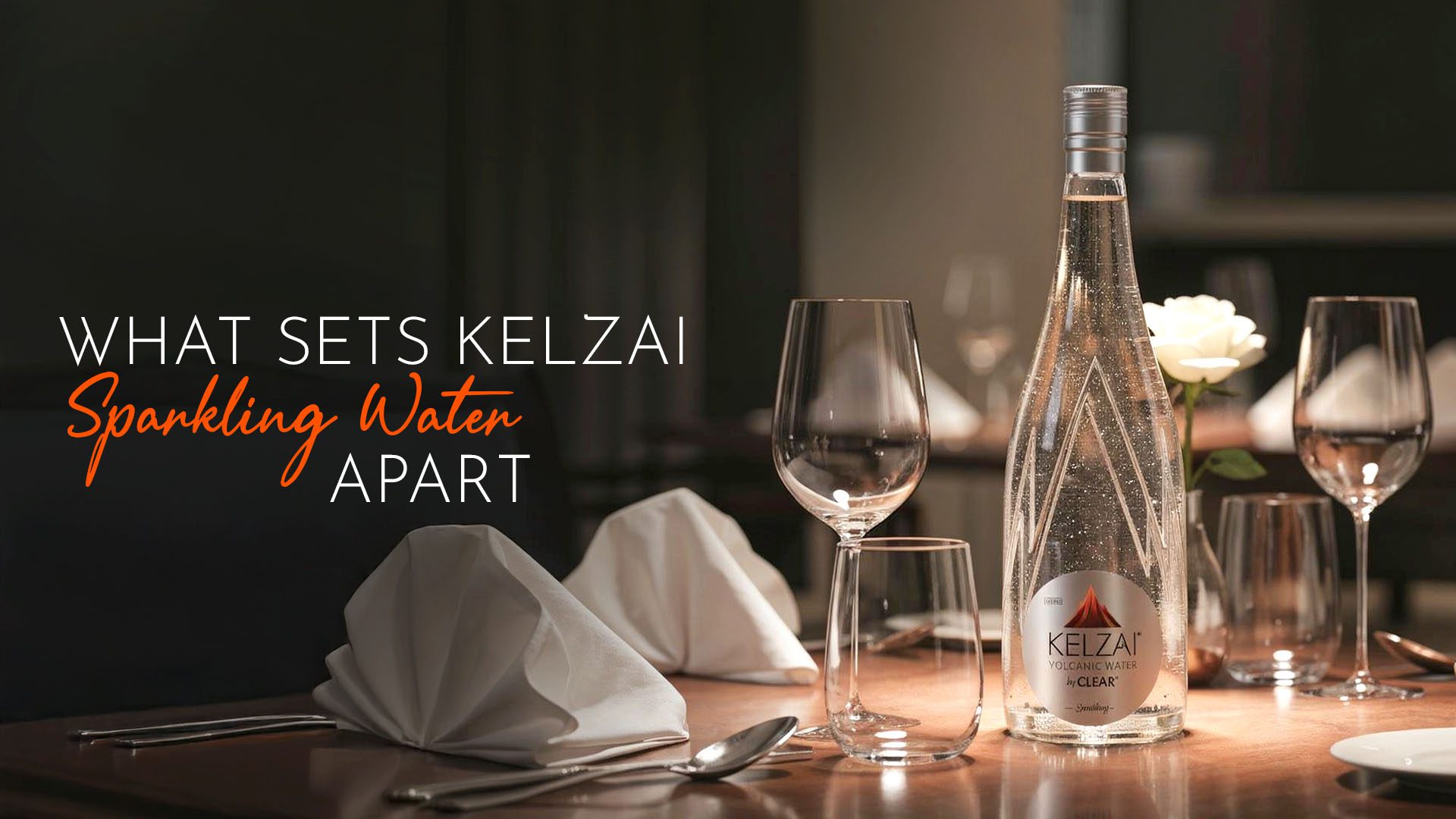
Kelzai’s sparkling water begins with volcanic-origin source water, naturally filtered through mineral-rich rock formations. This geological foundation provides a stable and balanced mineral profile before carbonation is introduced.
Carbonation levels are calibrated to complement the water's natural structure rather than dominate it. The result is fine, controlled effervescence that enhances mouthfeel without sharpness.
Kelzai Sparkling Water is designed for everyday refinement. It integrates seamlessly with meals, supports conscious hydration, and offers a consistent experience across bottles. In the broader landscape of sparkling water brands in India, this alignment between origin and design sets it apart.
Choosing Sparkling Water With Intention
Sparkling water is no longer an impulsive choice. It reflects awareness of quality, source, and composition. Consumers increasingly recognise that true refinement lies in balance, not in carbonation strength alone.
Among today’s Sparkling Water Brands, those that prioritise mineral integrity, calibrated carbonation, and thoughtful packaging are defining the future of the category.
Kelzai stands within this evolution not by amplifying bubbles, but by refining them. For those seeking sparkling water that delivers consistency, clarity, and composure, the decision becomes less about fizz and more about intention.