

Why Hotels and Fine-Dining Restaurants Are Switching to Glass-Bottled Water

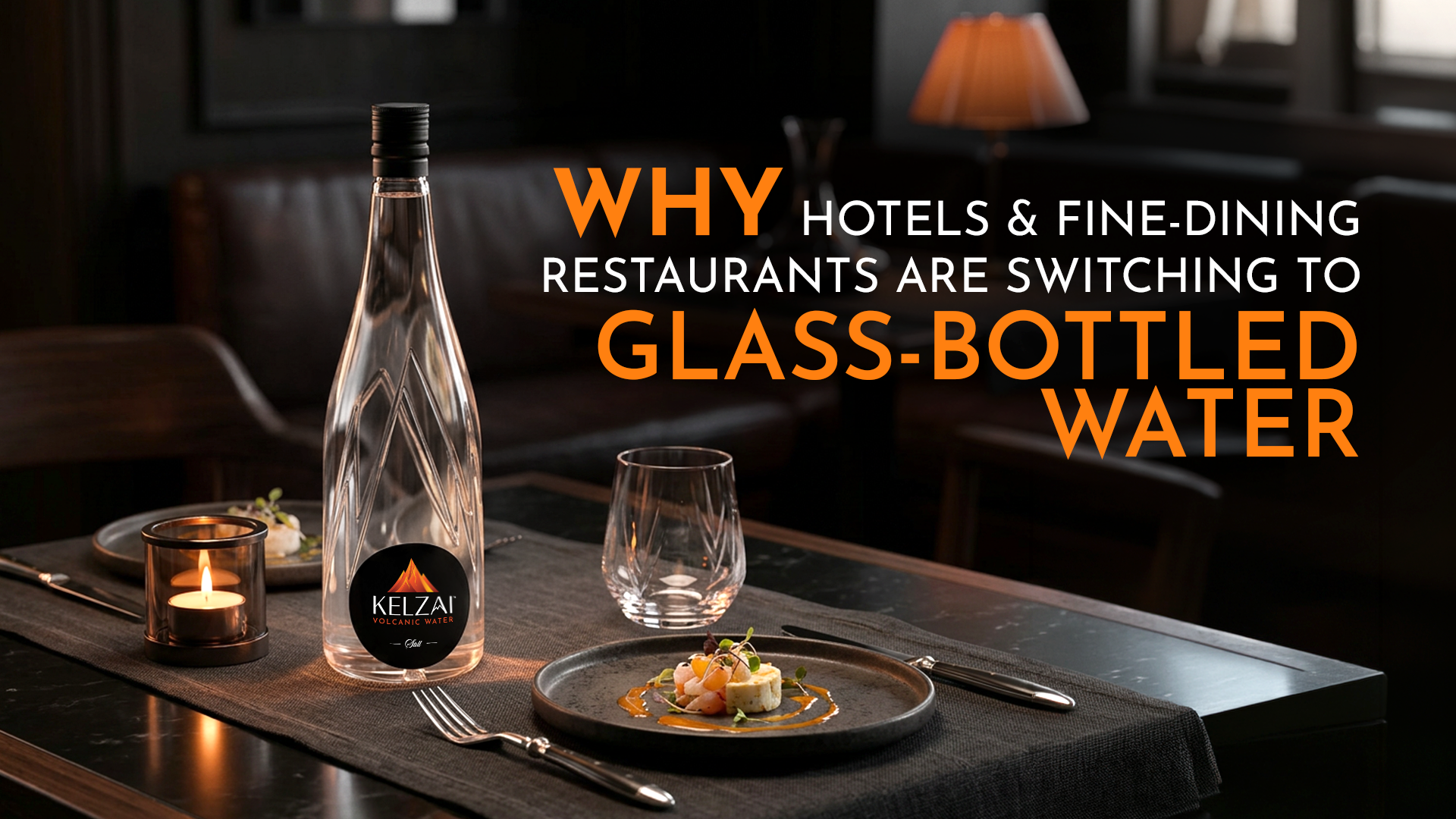
In premium hospitality, the dining experience begins long before the first dish arrives. Guests notice the ambience, tableware, glassware, service, and presentation, and increasingly, the water placed on the table.
For hotels and fine-dining restaurants, water is no longer viewed only as a basic accompaniment to a meal. Its taste, provenance, packaging and presentation can all contribute to the overall experience. This has made Glass Bottled Water for Hotels and Restaurants an increasingly relevant choice for establishments that want even the simplest table elements to reflect their positioning.
From elegant presentation to conscious luxury, glass-bottled water fits naturally into an environment where details matter.
Water Is Becoming Part of the Dining Experience
A thoughtfully designed restaurant table creates an expectation before guests even open the menu. Fine glassware, carefully selected tableware, and sophisticated décor establish a visual language that communicates the character of the establishment.
The bottle of water placed in the middle of that setting becomes part of the same composition.
For this reason, premium hospitality establishments are paying closer attention to the water they serve. A distinctive bottle can complement the table, while the taste and character of the water can support the dining experience throughout the meal.
Choosing premium water for fine dining is therefore less about turning water into the centre of attention and more about ensuring it belongs naturally within the experience the restaurant has worked to create.
Why Glass Belongs on a Premium Table
Presentation is one of the most immediate advantages of Glass-Bottled Water in hospitality.
Glass has a clean, refined appearance that sits comfortably alongside premium tableware. Whether used in an intimate fine-dining restaurant, a five-star hotel restaurant, or a formal banquet setting, a well-designed bottle can enhance the table without overwhelming it.
The experience is tactile as well as visual. From the weight of the bottle to the way it is presented and poured by service staff, glass can make something as familiar as serving water feel more considered.
For hospitality businesses, this makes the bottle part of the presentation rather than simply packaging that happens to remain on the table.
Preserving the Character of the Water
Premium water is often selected for characteristics connected to its source and natural mineral profile. The way it is served should allow those qualities to remain central to the experience.
Glass is valued because it is non-reactive and does not impart flavor to its contents. This helps the water retain the taste and character associated with its source.
That distinction becomes particularly relevant for mineral and volcanic waters, where provenance contributes to the product's identity.
For restaurants pairing carefully prepared food with selected wines, spirits, and other beverages, water can be approached with similar consideration. The objective is not necessarily to find the water with the strongest mineral character but one with a balanced taste and mouthfeel that works comfortably across the dining experience.
Glass and the Idea of Conscious Luxury
Luxury hospitality is also evolving. Premium experiences are increasingly expected to combine aesthetics and quality with more considered choices.
Glass supports this idea of conscious luxury because it offers an elegant presentation while being recyclable and, in suitable systems, reusable. For hotels and restaurants already thinking carefully about the materials and products they introduce into guest-facing environments, this makes glass particularly relevant.
The value lies in combining these considerations rather than allowing sustainability to compromise presentation.
Glass Bottle Water for Hospitality can maintain the polished appearance expected in premium settings while fitting into a more conscious approach to packaging. For establishments, it offers an opportunity to make a considered choice without turning sustainability into the defining feature of the guest experience.
What the Water Bottle Communicates About a Restaurant
Guests form impressions through a collection of small details.
The menu stock, weight of the cutlery, shape of the wine glass, plating of a dish, and manner in which something is served all communicate something about the establishment. Water is another one of those touchpoints.
A thoughtfully selected bottle can reinforce qualities such as sophistication, consistency, and attention to detail. Conversely, packaging that feels disconnected from an otherwise carefully designed setting can interrupt that visual experience.
This is one reason Luxury Water For Restaurants is increasingly considered within the broader hospitality experience. It helps ensure that the water served reflects the same standards as the environment surrounding it.
For hotels, the same principle can extend beyond restaurants to lounges, banquets, private dining rooms, and other premium guest experiences.
Why Provenance Adds Another Layer to Premium Water
Presentation may create the first impression, but premium water can offer something more: a sense of place.
The best glass bottled water brands are often differentiated not simply by their bottles but by the origin and character of the water inside them. A distinctive natural source gives restaurants and hotels something authentic to place on the table rather than relying on appearance alone.
This is where Volcanic Water in Glass Bottles offers an interesting proposition for hospitality.
As water travels through volcanic geological formations underground, interaction with mineral-containing rock can shape its naturally occurring mineral composition. Its source therefore becomes directly connected to its identity and drinking character.
For establishments evaluating glass bottled water brands in India, provenance can be an important part of selecting a water that aligns with a premium dining concept.
Read Also: [ Volcanic Sparkling Water for Premium Events ]
Kelzai: Volcanic Origin Meets Hospitality Presentation
Kelzai brings together the qualities that premium hospitality increasingly looks for in table water: distinctive provenance, natural mineral character, and refined presentation.
Its water originates in the Sahyadri, a landscape shaped by ancient volcanic activity. As rainwater travels through layers of porous volcanic basalt, natural geological filtration contributes to its mineral composition before it collects in underground aquifers.
Kelzai presents this volcanic water in elegant glass bottles, making the product suitable for environments where both what is served and how it is presented matter.
The availability of still and sparkling variants also gives hospitality establishments flexibility. Still water can provide a subtle accompaniment throughout a meal, while sparkling water brings gentle effervescence for guests who prefer a more lively drinking experience.
This combination allows Kelzai to fit naturally into fine-dining restaurants, luxury hotels, catered experiences and sophisticated hospitality settings.
Elevating the Table Through Thoughtful Choices
Premium hospitality is rarely defined by one extravagant feature. More often, it is the consistency of thoughtful decisions that makes an experience memorable.
Choosing glass-bottled water for hotels and restaurants reflects that approach. Glass contributes to an elegant table, preserves the character of the water, and aligns naturally with the movement towards more conscious forms of luxury.
Kelzai adds another dimension through its Sahyadri volcanic origin, naturally occurring mineral profile, and still and sparkling glass-bottled options.
When everything on the table has been selected with purpose, water deserves the same consideration. For hotels and fine-dining restaurants, the right glass bottle does not need to demand attention; it simply needs to look, taste, and feel as though it belongs.