


Consumers today are becoming more attentive to everyday experiences, including something as simple as water. An increasing number of people have begun to question why the same water can taste slightly different depending on how it is packaged. What was once dismissed as perception is now part of a broader curiosity about quality and sensory detail.
This growing awareness has brought drinking water in glass bottles into conversations that go beyond sustainability or aesthetics. It is no longer just about environmental responsibility. It is about taste, consistency, and the overall experience of hydration.
As attention shifts from quantity to quality, packaging has become part of the discussion.
Does Packaging Affect the Taste of Water?
Water is often described as neutral, yet it is highly sensitive to its surroundings. It can absorb odours and subtle environmental influences over time. Storage conditions, exposure to heat, and contact with certain materials may alter how freshness is perceived.
Packaging material affects how water tastes by influencing its stability. When water is stored in reactive or permeable containers, minor changes in aroma or mouthfeel can occur. While these differences may be subtle, they are increasingly noticeable to consumers who pay closer attention.
Neutral packaging materials, by contrast, help preserve the water's original characteristics from bottling to consumption.
- The Science of Neutral Packaging Materials
Glass is classified as an inert, nonreactive material. This means it does not chemically interact with its contents. There is no transfer of flavour, no absorption of odours, and no alteration of mineral composition.
Because there is no interaction between the container and water, the taste remains consistent from the first sip to the last. This consistency is particularly important for premium waters, where mineral balance and mouthfeel define the experience.
In the case of mineral-rich water, even small changes in composition can affect perception. Glass ensures that what reaches the consumer reflects the water’s original profile.
- Volcanic Water and Packaging Compatibility
Volcanic water derives much of its character from dissolved minerals such as calcium, magnesium, and potassium. These elements influence mouthfeel, structure, and the overall drinking experience.
Packaging that interferes with this delicate balance can subtly change how the water feels on the palate. Glass supports compatibility by preserving the mineral profile's integrity.
For waters with distinctive geological origins, preserving this balance is essential. Packaging becomes less about containment and more about continuity.
Why Do Fine-Dining and Hospitality Prefer Glass Bottles?
In hospitality and fine dining, consistency is not optional. Every element on the table from plating to glassware, is carefully considered. Water is no exception.
Glass bottles are often preferred because they preserve taste neutrality and provide visual clarity. Guests expect refinement, and the presentation of water contributes to the overall dining experience.
A luxury glass water bottle complements premium service standards and ensures the water served reflects its intended quality. For establishments where detail defines reputation, packaging matters as much as content.
- Glass Bottles and the Rise of Sensory-Led Consumption
Consumers are increasingly engaging with products through sensory awareness. Texture, temperature retention, mouthfeel, and visual presentation influence purchase decisions.
This shift mirrors trends seen in coffee, tea, and wine cultures, where origin and experience carry weight. Hydration is gradually following the same trajectory. Water is no longer viewed solely as a necessity; it is becoming part of a curated lifestyle.
The preference for glass bottles reflects this change. The bottle's tactile weight, the liquid's clarity, and the clean presentation contribute to a more considered drinking experience.
- Sustainability as a Secondary Driver
While sustainability remains important, it is often a supporting factor rather than the primary motivation. Consumers choosing glass are frequently driven first by taste preservation and experience.
Reusability and recyclability add value to the decision. Glass is infinitely recyclable without loss of quality, making it compatible with conscious consumption habits.
However, what distinguishes the shift toward glass is that environmental awareness complements the experience rather than replacing it.
Why Are Urban Consumers Searching for Glass-Bottled Water?
Search behaviour increasingly reflects interest in premium hydration. Urban consumers are actively exploring online glass water bottles and refined packaging alternatives.
Minimalist design, transparency, and perceived purity are strongly associated with glass packaging. It signals quality without overstating it. In a crowded market, simplicity has become a marker of trust.
As disposable income and wellness awareness rise, so does the demand for drinking water in glass bottles that align with modern lifestyle standards.
Where Does Kelzai Fit Into This Shift?
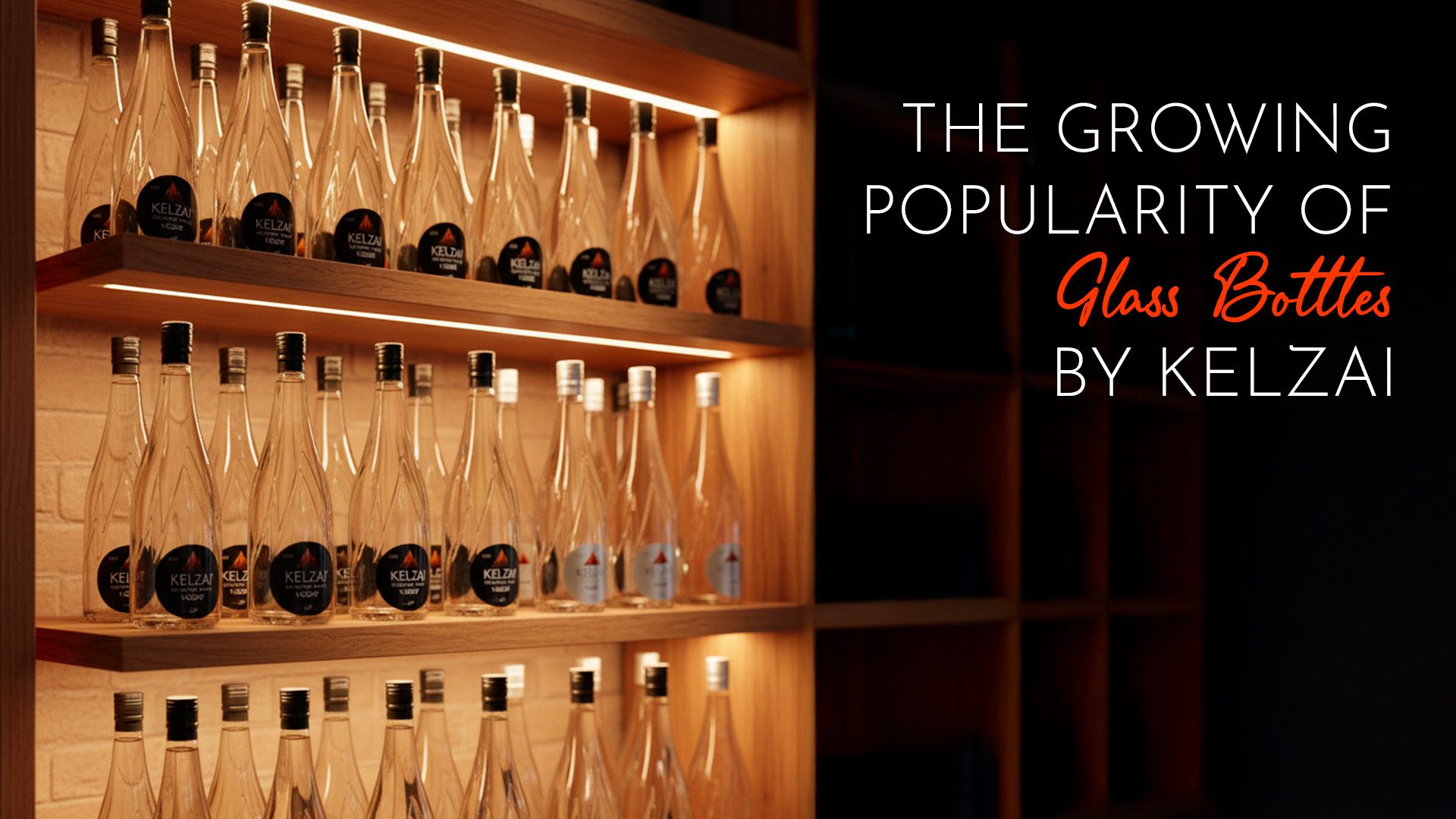
Kelzai’s volcanic water originates from mineral-rich geological formations, giving it a naturally balanced profile. Pairing this water with neutral glass packaging ensures that its character remains intact.
For Kelzai, the glass bottle is not a decorative afterthought. It is an extension of the water’s origin and refinement. The focus remains on taste, mineral integrity, and presentation that reflects quality.
In this context, packaging supports the product rather than competing with it.
When Packaging Becomes Part of the Product!
Consumer awareness is evolving. Packaging is no longer viewed solely as a protective layer but as a component of the overall experience.
Glass bottles are redefining how people perceive and enjoy water. The emphasis has shifted from convenience alone to quality, consistency, and sensory integrity.
Premium hydration is moving beyond functionality. As more consumers seek thoughtful consumption, glass packaging becomes part of the product itself, quietly enhancing the way water is experienced, from source to table.