


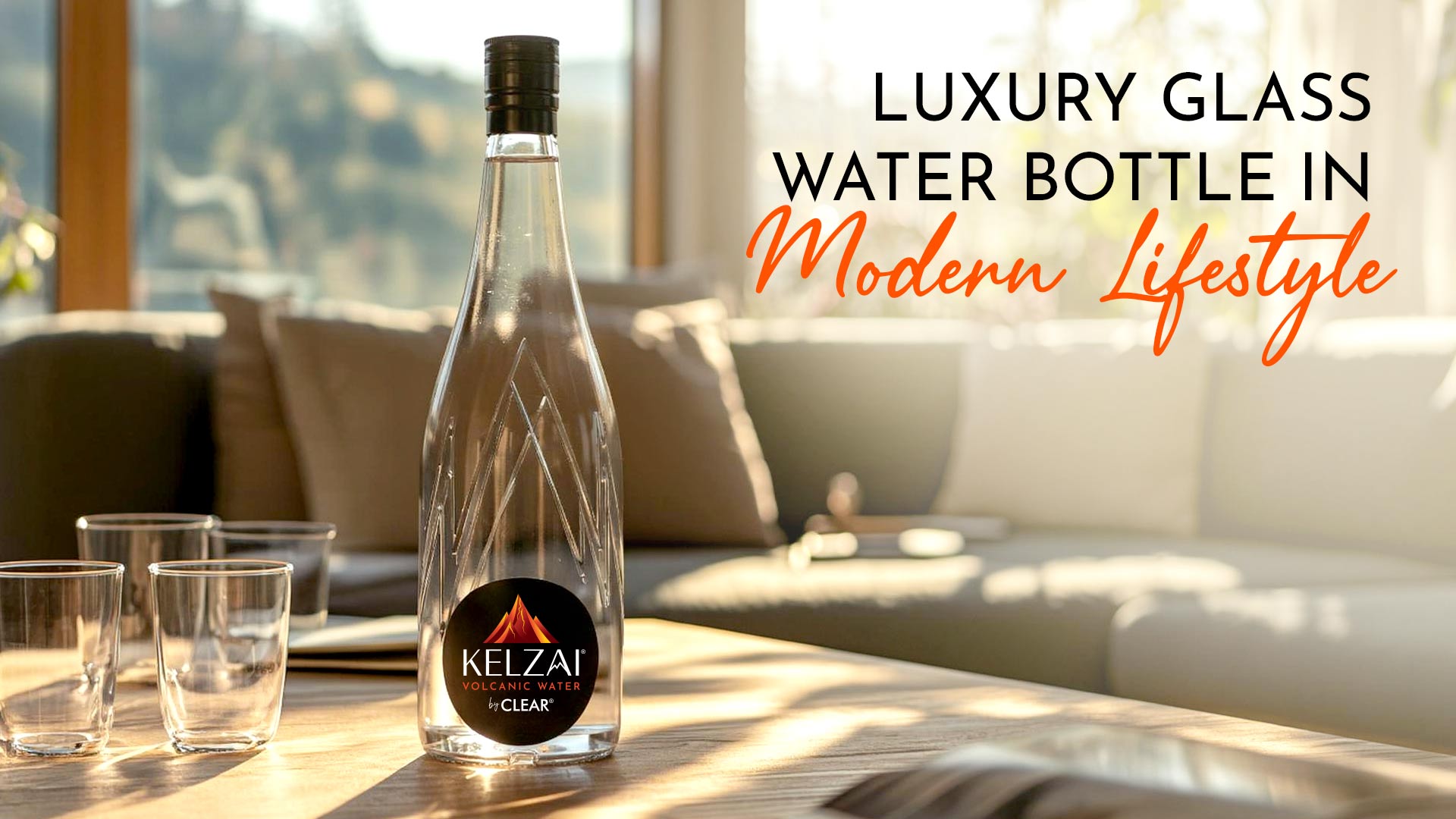
In recent years, packaging has become more than a functional necessity. It has become part of how products are experienced, evaluated, and chosen. This shift is especially visible in the growing preference for the luxury glass water bottle, which is increasingly associated with refinement, quality, and conscious consumption.
What was once limited to fine dining and premium hospitality is now entering homes, workplaces, and everyday routines. Consumers are moving away from purely convenience-driven decisions and toward selections that reflect quality, responsibility, and attention to detail.
The rise of glass-bottled water reflects this broader change in lifestyle priorities.
From Convenience to Conscious Choice
Bottled water today is available in different packaging formats, each suited to different usage occasions. Along with convenience, consumers are increasingly paying attention to presentation, experience, and the context in which the product is used.
Glass bottles have become closely associated with premium settings where visual clarity, refined presentation, and consistency of experience are important. Choosing bottled water in glass bottles is often linked to dining, hospitality, and curated environments where packaging is part of the overall experience rather than just a container.
In such cases, the preference for glass reflects the occasion and lifestyle it represents, while maintaining the same standard of quality across the range.
Taste Neutrality and Material Integrity
Bottled water today is offered in both plastic and glass packaging, with each format suited to different occasions and usage environments. While plastic bottles are commonly used for everyday convenience, glass bottles are often preferred in settings where presentation and overall experience are part of the consumption.
In premium dining, hospitality, and curated spaces, the choice of packaging contributes to how the product is perceived, making the bottle an extension of the experience rather than just a container.
Both glass and plastic doesn’t react with the water, which means there is no transfer of odour, flavour, or chemical residue.
This allows the water to maintain its original taste from bottling to consumption. For mineral-rich water, this is especially important because even small changes in composition can affect mouthfeel and finish.
When consumers look for the best water in glass bottles, they are often seeking this consistency. The experience feels cleaner, more natural, and closer to the water’s original source.
Visual Elegance and Presentation
Beyond functionality, glass packaging contributes to the overall visual experience. A clear bottle highlights the purity of the water and creates a sense of transparency that plastic cannot replicate.
On dining tables, office desks, or hospitality settings, a luxury glass water bottle adds a level of sophistication that aligns with modern expectations of quality. Presentation is no longer limited to food and décor; even water is part of the overall aesthetic.
This is one reason glass bottles are widely used in premium restaurants, boutique hotels, and curated events. They complement the environment without drawing unnecessary attention, reinforcing a sense of refinement.
The Cultural Shift Toward Curated Living
Urban lifestyles in India are changing. There is growing interest in products that reflect personal values, purity, sustainability, and thoughtful design.
The rise of boutique hospitality, fine dining, and premium home entertaining has influenced everyday consumption habits. People are paying closer attention to what they serve guests, what they keep on their desks, and what they choose for daily use.
Glass bottles fit naturally into this shift. They signal intention rather than convenience. They suggest that the product inside has been selected carefully.
As a result, bottled water in glass bottles is no longer limited to luxury venues. It is becoming part of modern, conscious living.
Sustainability Without Compromising Experience
Environmental awareness has also contributed to the popularity of glass packaging. Glass is recyclable without loss of quality and can be reused multiple times. Unlike some materials, it does not degrade or release substances when exposed to heat.
This makes it compatible with consumers who want sustainable options without sacrificing product quality.
Glass supports eco-conscious choices while maintaining the same level of sensory experience. The water tastes the same, the presentation remains refined, and the packaging aligns with long-term responsibility.
For many consumers, this combination of sustainability and luxury is what defines the modern premium category.
Where Glass Bottled Water Is Preferred
The use of glass bottles is especially common in environments where detail matters.
In fine dining and hospitality, presentation and taste consistency are essential. Glass preserves flavour neutrality and complements table settings.
In premium homes, glass bottles are often chosen for entertaining guests or for everyday use where quality is valued.
In corporate boardrooms and luxury offices, glass packaging reflects professionalism and attention to detail.
Glass-bottled water is also increasingly used in curated gift hampers, where packaging contributes to the overall impression of quality.
In each of these settings, the bottle becomes part of the experience, not just the container.
Kelzai and the Idea of Conscious Luxury
Kelzai’s approach to packaging reflects this shift toward thoughtful consumption. Its use of glass bottles is not only about appearance, but about preserving the character of the water itself.
Volcanic mineral water carries a natural balance shaped by geological filtration. Packaging it in glass ensures that this balance remains unchanged, while also aligning with expectations of refinement and sustainability.
A luxury glass water bottle from Kelzai represents more than premium packaging. It reflects purity, careful sourcing, and a commitment to quality that extends beyond the water to the way it is presented.
When Packaging Becomes Part of the Lifestyle
Modern consumers increasingly understand that packaging influences experience. The material, weight, and clarity of a bottle can affect how a product feels, tastes, and is perceived.
The rise of the luxury glass water bottle shows that hydration is no longer viewed as a purely functional act. It has become part of a lifestyle that values balance, aesthetics, and responsibility.
As more people look for the best water in glass bottles, the focus is shifting toward products that combine natural origin, clean taste, and refined presentation.
In this evolving landscape, glass packaging is not just a means of holding water. It is part of the product itself, shaping how water is enjoyed in everyday life.