

Water may appear identical in every bottle, but its origin, mineral content, and method of purification can create significant differences in taste, stability, and overall quality. As consumers become more aware of what they drink, the distinction between still water sourced naturally and water produced through industrial treatment processes is gaining attention.
Volcanic still water represents a category shaped by geology rather than machinery. Its journey through mineral-rich rock layers gives it characteristics that cannot be replicated through filtration alone.
The Journey of Volcanic Water Through Basalt Rock
Volcanic still water begins as rainwater that slowly travels through layers of basalt rock formed by ancient volcanic activity. This natural filtration process can take years, sometimes decades, as water moves through microscopic channels in the earth.
During this journey, the rock acts as a natural purifier. Impurities are removed gradually, while beneficial minerals are absorbed in balanced proportions. Unlike mechanically treated water, which is filtered in minutes, volcanic water develops its composition over time.
This geological process results in still water that is naturally clear, stable, and mineral-balanced before it is ever bottled.
How It Differs from Treated or RO Water
Most commercially available drinking water is purified using reverse osmosis (RO), UV treatment, or chemical filtration. These methods remove contaminants effectively, but they also strip the water of its natural mineral content.
After purification, minerals may be added back in controlled quantities, but the result is not the same as water that acquired its composition naturally.
Volcanic water, by contrast, undergoes filtration without mechanical intervention. Its mineral profile is formed within the earth, not in a processing plant. This difference affects both taste and mouthfeel, making natural mineral still water feel smoother and more balanced.
Natural Mineral Composition and Taste
The presence of naturally dissolved minerals plays an important role in how water tastes. Calcium contributes to structure, magnesium adds smoothness, and silica can enhance clarity and texture.
When these minerals occur in natural proportions, the result is a clean, neutral profile that does not overpower the palate. This is why Natural Mineral Still Water is often preferred in environments where taste consistency matters.
The absence of harshness or aftertaste allows the water to be consumed throughout the day without fatigue, and it pairs well with food without altering flavours.
Geological Filtration vs Mechanical Purification
Mechanical purification focuses on safety and uniformity. Geological filtration focuses on balance.
Water that passes through volcanic rock layers is naturally protected from surface contamination. As it travels underground, it is filtered repeatedly through mineral formations that remove unwanted particles while preserving beneficial elements.
Because the source remains protected, the composition stays stable over time. This stability is difficult to achieve with treated water, where mineral content must be controlled artificially.
Volcanic still water, therefore, offers consistency without requiring chemical adjustment or heavy processing.
The Sahyadri Origin and India’s Geological Advantage
India’s Sahyadri mountain range, formed through ancient volcanic activity, provides ideal conditions for naturally mineral-rich water sources. Basalt formations in this region create deep aquifers where water is filtered slowly and protected from environmental exposure.
This geological richness allows India to produce premium-quality still water without relying on extensive treatment methods. The mineral balance developed within these formations gives volcanic water a distinctive smoothness that reflects its origin.
As awareness grows, more consumers are recognising that high-quality water does not always need to be imported, it can come from carefully protected natural sources within the country.
Experience Matters: Mouthfeel, Finish, and Neutrality
One of the most noticeable differences between volcanic still water and ordinary treated water is the drinking experience.
Volcanic still water typically has:
- A smoother mouthfeel
- A clean, neutral finish
- No metallic or flat aftertaste
Because the mineral composition is naturally balanced, the water feels light yet structured. This makes it suitable for frequent consumption without overwhelming the palate.
The neutral profile also allows it to complement food rather than compete with it, which is why it is often preferred in settings where taste clarity is important.
Where Volcanic Still Water Is Preferred
High-quality still water is often chosen in environments where consistency and refinement matter.
In fine dining and hospitality, water must not interfere with flavour. A neutral mineral profile ensures that the dining experience remains intact.
In luxury homes, naturally sourced water is preferred for everyday hydration because it combines purity with taste balance.
For conscious consumers, the choice is often about origin and process. When people buy still water, they increasingly look for products that are naturally formed rather than heavily engineered.
Kelzai: A Naturally Refined Alternative
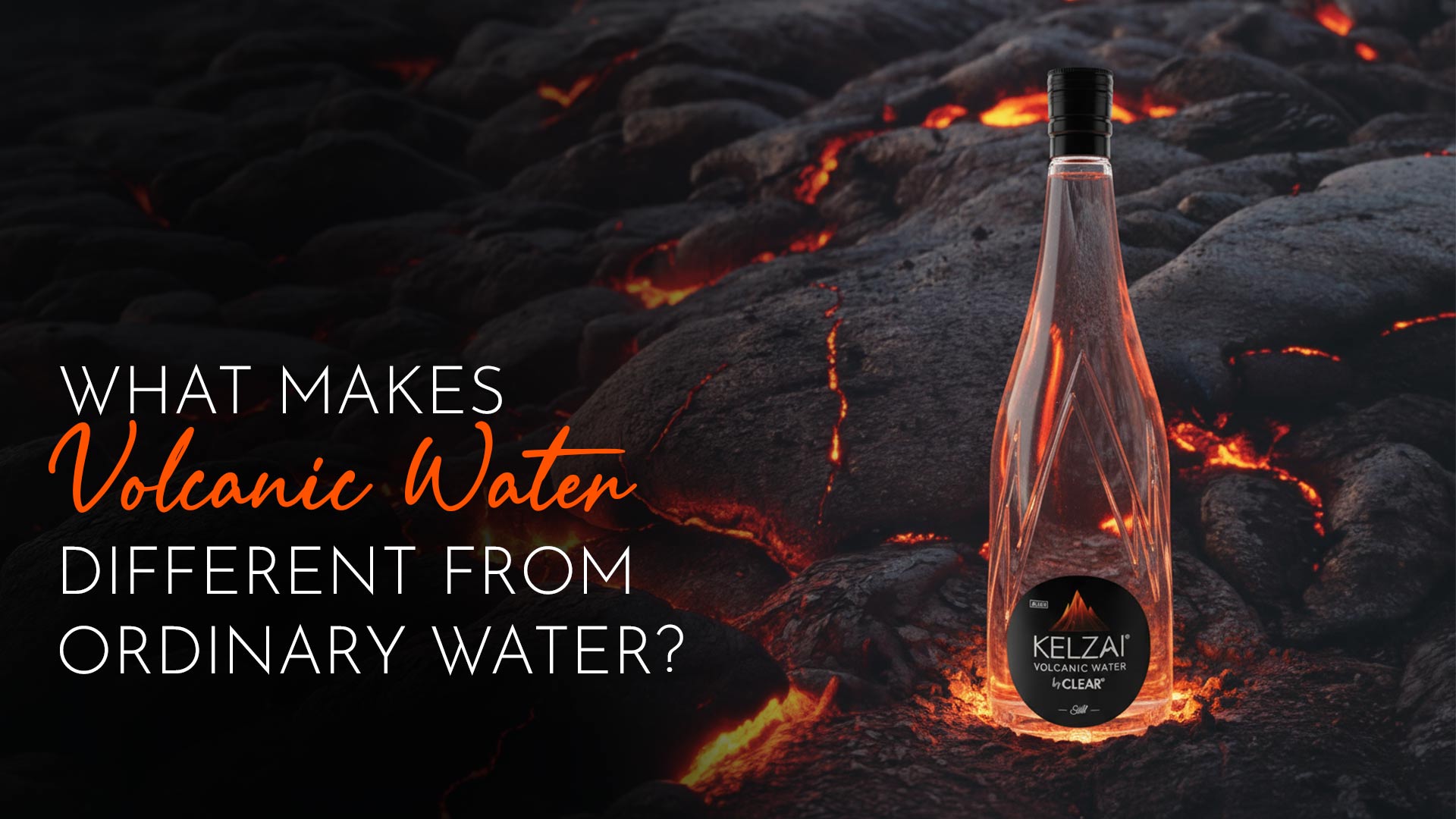
Kelzai volcanic still water is sourced from protected aquifers within the Sahyadri volcanic region, where water is filtered naturally through basalt rock layers. This slow geological process gives the water its mineral balance without the need for aggressive purification.
Instead of relying on extensive mechanical treatment, Kelzai preserves the water’s original composition, ensuring consistency in taste and structure.
For those who prefer to buy still water that reflects natural origin rather than industrial processing, Kelzai offers an alternative shaped by time, geology, and careful sourcing.