


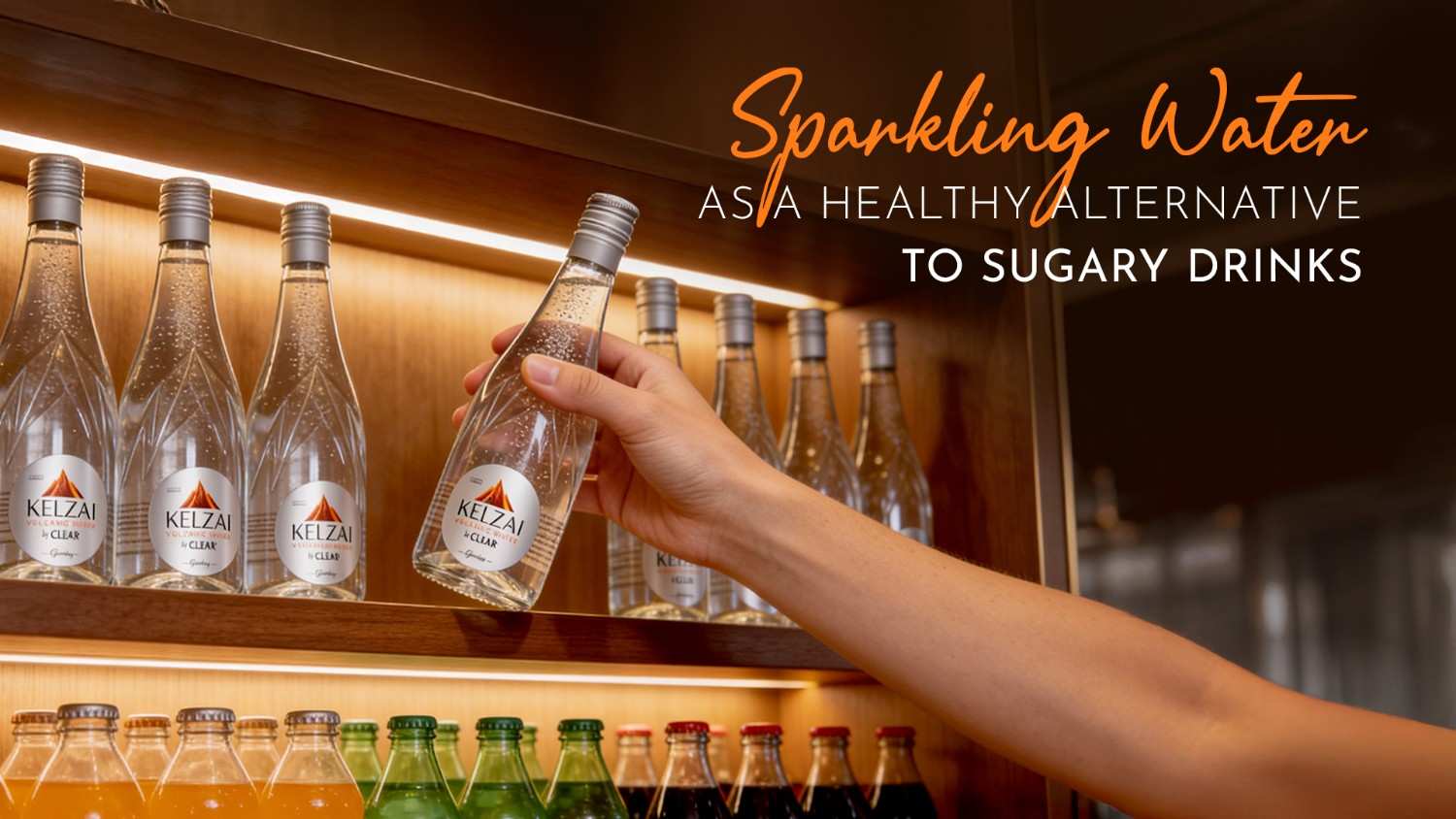
Beverage choices are often made with little conscious thought. While food decisions tend to involve planning and consideration, drinks are typically chosen out of habit—paired with meals, consumed during breaks, or picked up on the move.
This habitual nature is what allows sugary drinks to remain so deeply embedded in daily routines. Because they do not feel immediately harmful, their impact often goes unnoticed. Sugar consumed in liquid form is absorbed quickly, without the usual digestive checks that signal fullness. Energy levels rise briefly, then fall, encouraging repeat consumption. Over time, this quiet cycle becomes difficult to recognise and even harder to interrupt.
Why Replacing Sugary Drinks Is More Complex Than It Appears?
Conventional advice often suggests a simple solution: replace sugary drinks with water. From a physiological standpoint, this is sound. Still water is essential, effective, and neutral.
In practice, however, many people struggle to sustain this change. The challenge is not resistance, but experience. Sugary drinks provide more than hydration. They are cold, carbonated, and associated with pauses in the day. They complement meals, punctuate breaks, and carry a sensory familiarity that plain water does not always replicate.
As a result, while still water remains indispensable, it does not always fulfil the same behavioural role. Sparkling water, by contrast, comes closer to bridging that gap.
How Sparkling Water Alters Consumption Patterns?
Carbonation introduces texture and structure to drinking. Sparkling water is consumed more slowly and with greater awareness. The physical sensation of bubbles naturally moderates intake and encourages mindful sipping rather than habitual consumption.
Over time, this changes more than pace—it alters perception. Carbonation has long been associated with sweetness. Sparkling water breaks that association by retaining the sensory element while removing sugar. Initially, this contrast can feel unfamiliar. Gradually, it becomes the new normal. In many cases, sugary drinks begin to feel overly heavy by comparison.
This shift helps explain why sparkling water in India has transitioned from a niche or hospitality-focused product into an everyday option. Its adoption is driven less by trends and more by practicality; it fits seamlessly into existing routines without requiring significant behavioural change.
The Physiological Advantage
From a metabolic perspective, the difference between sugary drinks and sparkling water is clear. Sugary beverages trigger rapid glucose absorption and insulin response. Sparkling water does not. Hydration occurs without influencing blood sugar levels or appetite regulation.
Even incremental changes matter. Replacing a single sugary drink per day may seem inconsequential in the short term, but over weeks and months, the reduction in sugar intake becomes meaningful. Importantly, because sparkling water does not feel restrictive, the habit is easier to maintain.
Why Diet Sodas Are an Incomplete Solution?
Diet sodas are often seen as an intermediary option. While they remove sugar, they preserve sweetness. For some individuals, this maintains dependency on sweet flavours and can prolong cravings rather than diminish them.
Sparkling water avoids this dynamic entirely. There are no artificial sweeteners attempting to replicate sugar. As a result, taste preferences recalibrate naturally. Foods and drinks that once seemed balanced may begin to taste excessively sweet, encouraging a gradual shift in consumption without conscious effort.
The Importance of the Base Water
Not all sparkling water delivers the same experience. The quality of the base water significantly influences taste, mouthfeel, and overall drinkability.
Sparkling water derived from mineral-rich sources tends to feel smoother and more balanced. Natural minerals soften carbonation, reduce sharpness, and maintain consistency throughout the bottle. This distinction becomes especially apparent when sparkling water is consumed with food, where balance and neutrality matter most.
Compatibility with Indian Cuisine
Indian cuisine is characterised by complexity—layered spices, rich preparations, and extended meals. Sugary drinks can overwhelm flavours or leave a lingering aftertaste. Sparkling water behaves differently. It refreshes the palate between bites without competing with the food itself.
In warm climates, it also feels lighter than sweetened beverages, making it more comfortable during long meals or social occasions. This functional compatibility has contributed to its growing acceptance across households and dining environments.
The Subtle Role of Packaging
Packaging influences behaviour more than is often acknowledged. A sparkling water bottle encourages measured consumption and intentional use. It is opened deliberately rather than consumed unconsciously.
In social contexts, it also communicates discretion. Choosing sparkling water does not draw attention or signal restriction; it blends naturally into the setting.
Observed Changes After Making the Switch
Individuals who replace sugary drinks with sparkling water frequently report similar outcomes: reduced sugar cravings, steadier energy levels in the afternoon, and improved hydration consistency. These changes occur without calorie tracking or rigid dietary frameworks.
The habit sustains itself because the experience remains enjoyable.
Addressing Common Concerns
Plain sparkling water is not equivalent to soda. It does not contain added sugar or aggressive acids and is generally well-tolerated when consumed regularly. Many people find it supports post-meal comfort.
Provided it is free from added flavours or sweeteners, sparkling water remains a neutral and reliable hydration option.
From Occasional Choice to Everyday Staple
Lasting dietary change is driven less by motivation and more by environment. When sparkling water is chilled, visible, and readily available, sugary drinks gradually lose relevance. The transition occurs quietly, without deliberate restriction.
This is why many households now purchase sparkling water as a regular staple rather than an occasional indulgence.
Conclusion: A Sustainable Upgrade, Not a Sacrifice
Sparkling water succeeds as a healthier alternative because it preserves what people value: texture, pause, and refreshment, while removing what the body does not need.
As awareness increases, sparkling water in India is becoming less of an alternative and more of a default choice. Not due to fashion, but because it aligns naturally with daily life.
Moving away from sugary beverages is not about compromise—it’s about informed choice. Kelzai Sparkling Water delivers hydration without sugar or artificial additives, offering a naturally satisfying alternative designed for consistent, everyday use.