The Science of Geological Filtration: How Nature Takes Thousands of Years to Filter Water

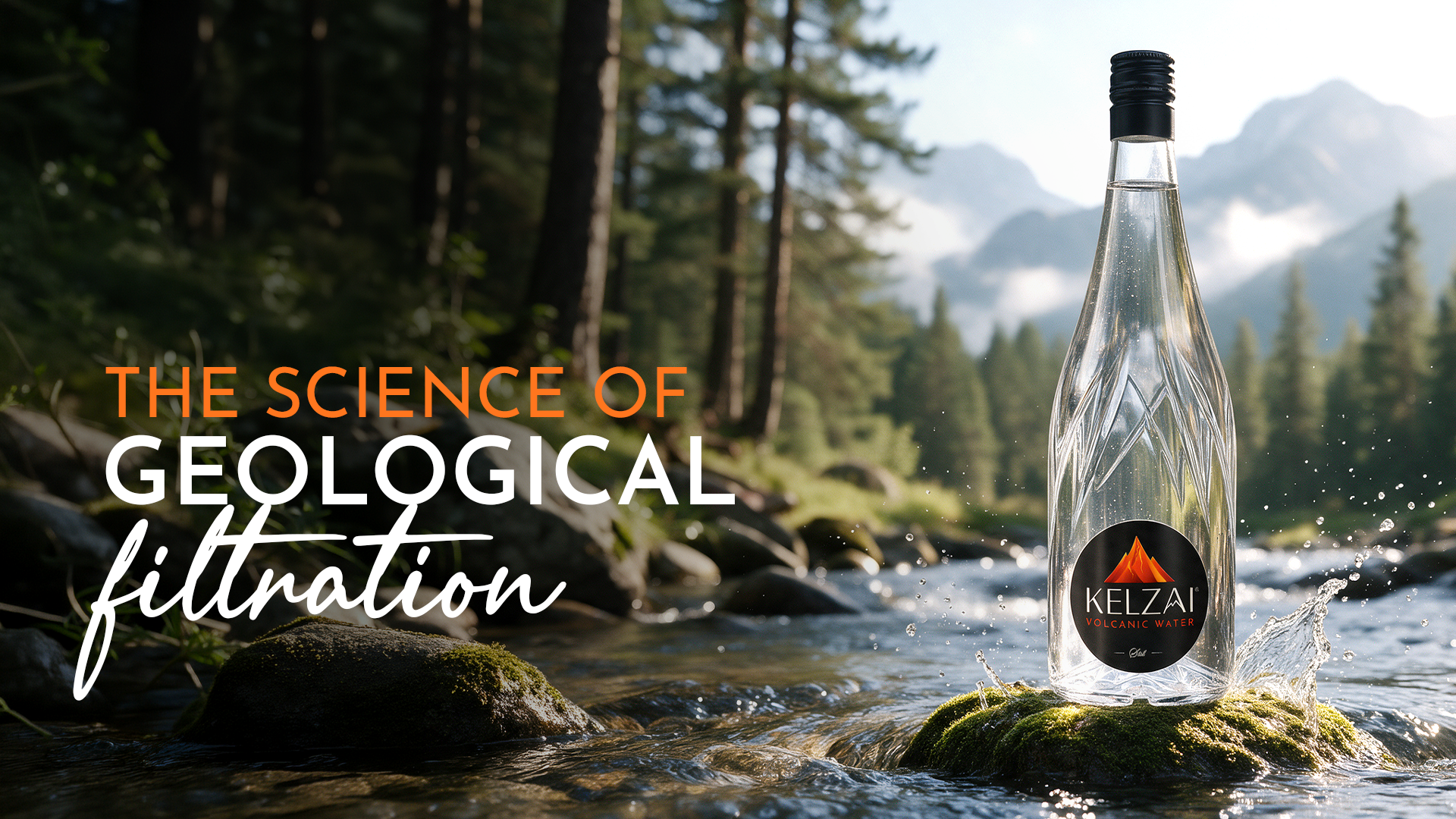
Long before water reaches a bottle, it may have travelled through layers of soil, stone, and underground rock formations. This journey begins with rainfall and continues beneath the Earth's surface, where natural processes gradually influence the water's composition and character.
Known as Geological Water Filtration, this process involves water moving through natural underground formations. Depending on depth, rock structure, and groundwater movement, the journey can last anywhere from a short period to thousands of years.
What makes this process remarkable is how nature influences water through physical filtration and prolonged contact with mineral-containing rocks. Understanding natural geological water filtration offers a closer look at how underground water sources develop their distinctive characteristics.
How Does Geological Water Filtration Work?
The journey begins when rainwater reaches the ground. Some flows into rivers and streams, while the rest seeps into the soil through a process called infiltration.
As water moves downward, it encounters different natural layers that influence its movement and composition.
Water Passing Through Soil and Rock
During Volcanic Rock Water Filtration, rainwater can move through fractures and permeable sections of basalt.
These natural pathways allow water to travel beneath the surface, where contact with rock can influence its composition.
The structure of volcanic basalt filtration layers varies from one location to another. Some sections allow relatively easy movement, while others restrict the flow.
As a result, the characteristics of volcanic groundwater depend on the particular rock formations and underground conditions surrounding its source.
Natural Filtration and Mineral Enrichment
Volcanic rocks can also contribute naturally occurring minerals to groundwater.
As water remains in contact with basalt and other mineral-containing rocks, small amounts of soluble components may dissolve into it.
This interaction contributes to natural mineral enrichment in water, creating a mineral composition influenced by the surrounding rock.
Unlike physical filtration, which can retain suspended particles, mineral enrichment involves the gradual interaction between water and the materials it encounters underground.
Together, these processes help explain why waters originating from different volcanic regions may have distinct characteristics.
Read More: Volcanic Still Water Different from Ordinary Water
From Underground Filtration to Natural Mineral Composition
To understand how natural mineral water is filtered, it is helpful to consider what happens as water travels through underground formations.
While some particles may be retained by soil and rock, certain naturally occurring mineral components can dissolve into the water.
Depending on the source, these may include:
- Calcium: A naturally occurring mineral that can contribute to the overall composition and taste of water.
- Magnesium: Found in various rock formations, including basalt, and capable of influencing water's mineral character.
- Silica: Associated with interactions between water and silicon-containing minerals commonly present in volcanic environments.
The concentration of these components varies according to the source, surrounding rocks, and underground conditions.
Mineral composition also influences the sensory experience. Some waters have a crisp, clean taste, while others may feel softer or have a more noticeable mineral character.
The Journey of Natural Mineral Water is therefore not simply about the removal of particles. It also involves the development of characteristics that distinguish one source from another.
Kelzai's Connection to the Volcanic Sahyadri
The Sahyadri Mountains in western India provide a distinctive setting for understanding the relationship between volcanic rock and underground water.
This region contains extensive basalt formations created by ancient volcanic activity. These rock layers have shaped the landscape and provide natural pathways through which rainwater can travel underground.
Kelzai Volcanic Water originates from aquifers associated with these Sahyadri formations.
According to Kelzai, rainwater passes through thousands of feet of porous basalt rock before collecting in underground aquifers. During this journey, natural filtration and contact with mineral-containing rock contribute to the water's composition.
This connection to the Sahyadri gives Kelzai a distinctive natural origin.
Rather than relying solely on packaging or presentation, the brand's identity begins with the source itself. The surrounding volcanic formations contribute to the mineral character that defines its water.
Available in still and sparkling varieties, Kelzai brings this naturally sourced volcanic water to consumers while maintaining a connection to its origins.
Nature's Role in Every Drop
Geological water filtration demonstrates how water, rock, and time interact beneath the Earth's surface.
From rainfall entering the ground to water collecting within underground aquifers, each stage contributes to the development of groundwater. Natural filtration can retain certain suspended particles, while prolonged contact with mineral-containing rocks influences the water's composition.
Although some groundwater journeys can span thousands of years, the duration varies considerably between sources.
For Kelzai, the volcanic formations of the Sahyadri provide the natural setting for this process. Its origin reflects how underground water movement and interaction with basalt can shape a distinctive mineral profile.
Long before water reaches the bottle, its journey through nature has already influenced its character.